 Gustaf's Journey



A fifth of a country
The great emigration ran from about 1850 to 1930, and its biggest wave came between 1880 and 1893. Småland sent more emigrants than any other Swedish province, and of all the Swedes who came to America, more settled in Minnesota than in any other state.
Letters from America made a big difference. When one arrived, the neighbours crowded into the kitchen to hear it read aloud. The letters told of plains so wide and flat that you could watch a wagon coming for hours. Some made America sound better than it was, and people knew it. Sometimes a letter held a few dollars, carefully folded, for the family back home.
Leaving took courage. Many who went never saw their parents again.
The journey, step by step
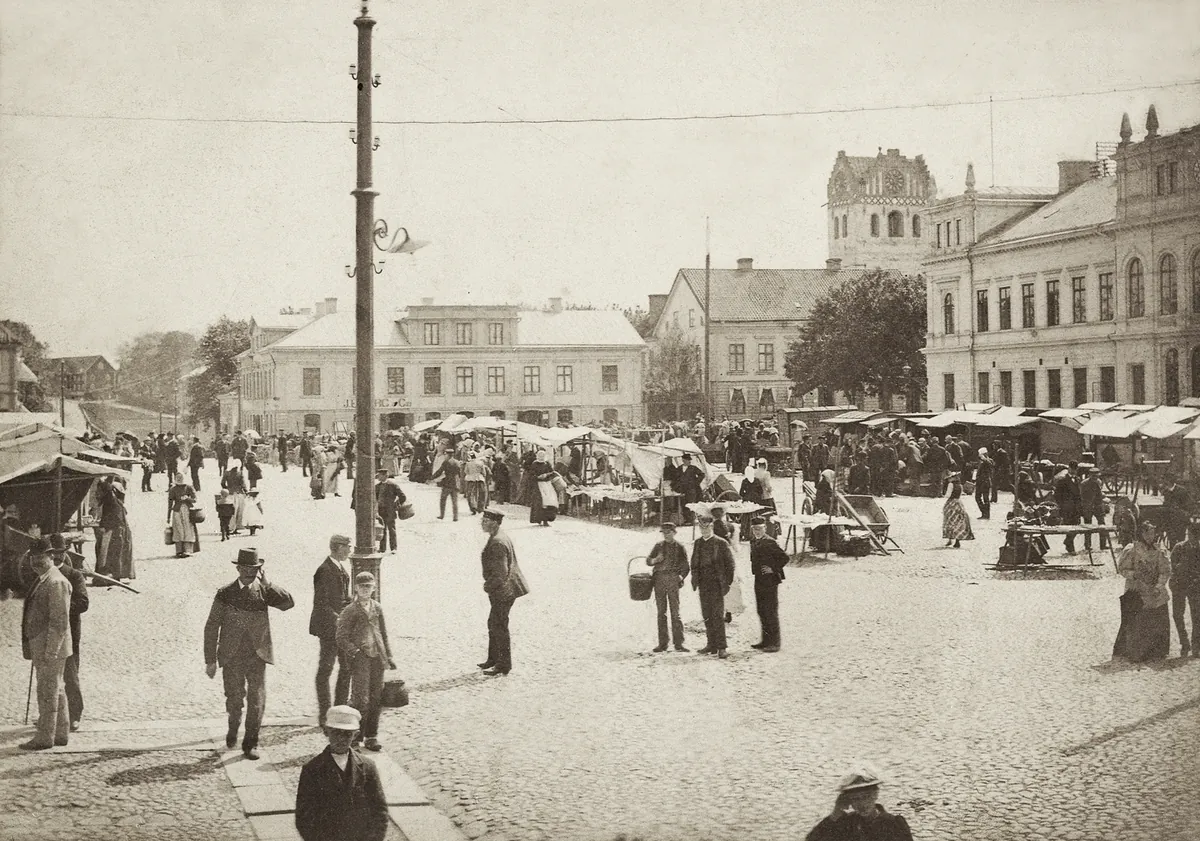
- The train to GothenburgFrom stations like Växjö, train after train carried emigrants towards the port. Whole families sat on their wooden trunks on the platform, waiting.
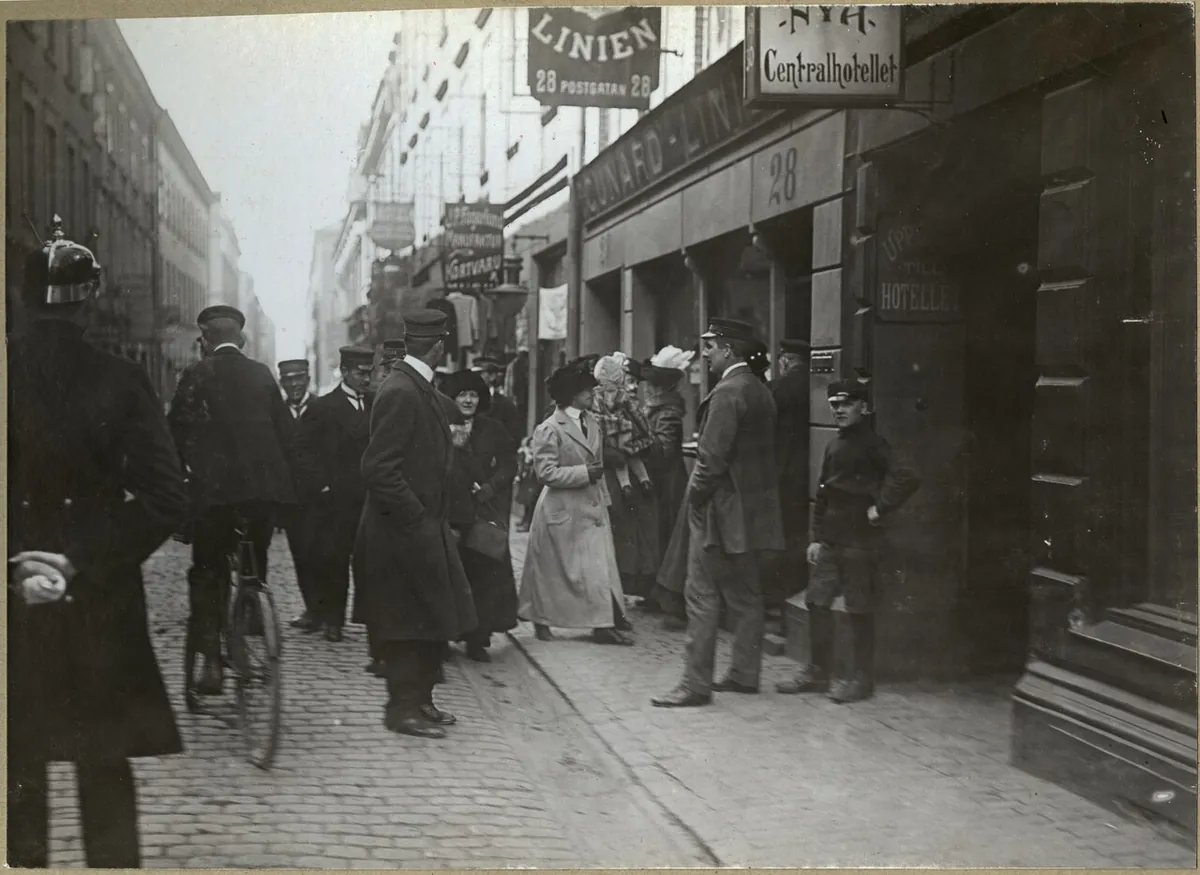
- Written down at the portFrom 1869, every emigrant leaving from Gothenburg had to be written down by the port police: name, age, home parish and where they were going.
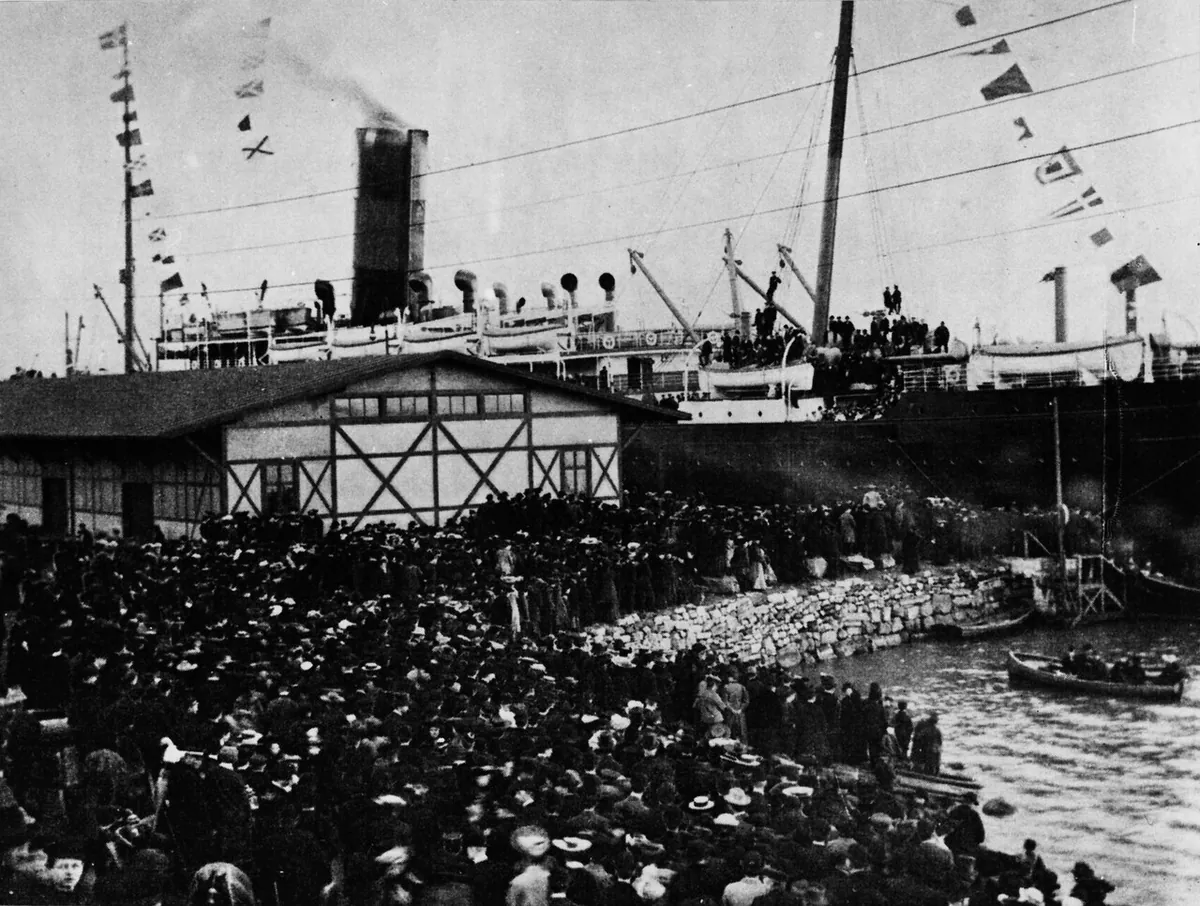
- Across the North SeaMany bought the whole journey from an emigrant agent: a steamer to England, a train to Liverpool and a ship to New York. The crossing to Hull took about two days, and below deck the emigrants slept side by side on long wooden berths.
- By train across EnglandFrom Hull the emigrants took the train to Liverpool, one of the great emigrant ports of Europe, where the ocean liners lay waiting.
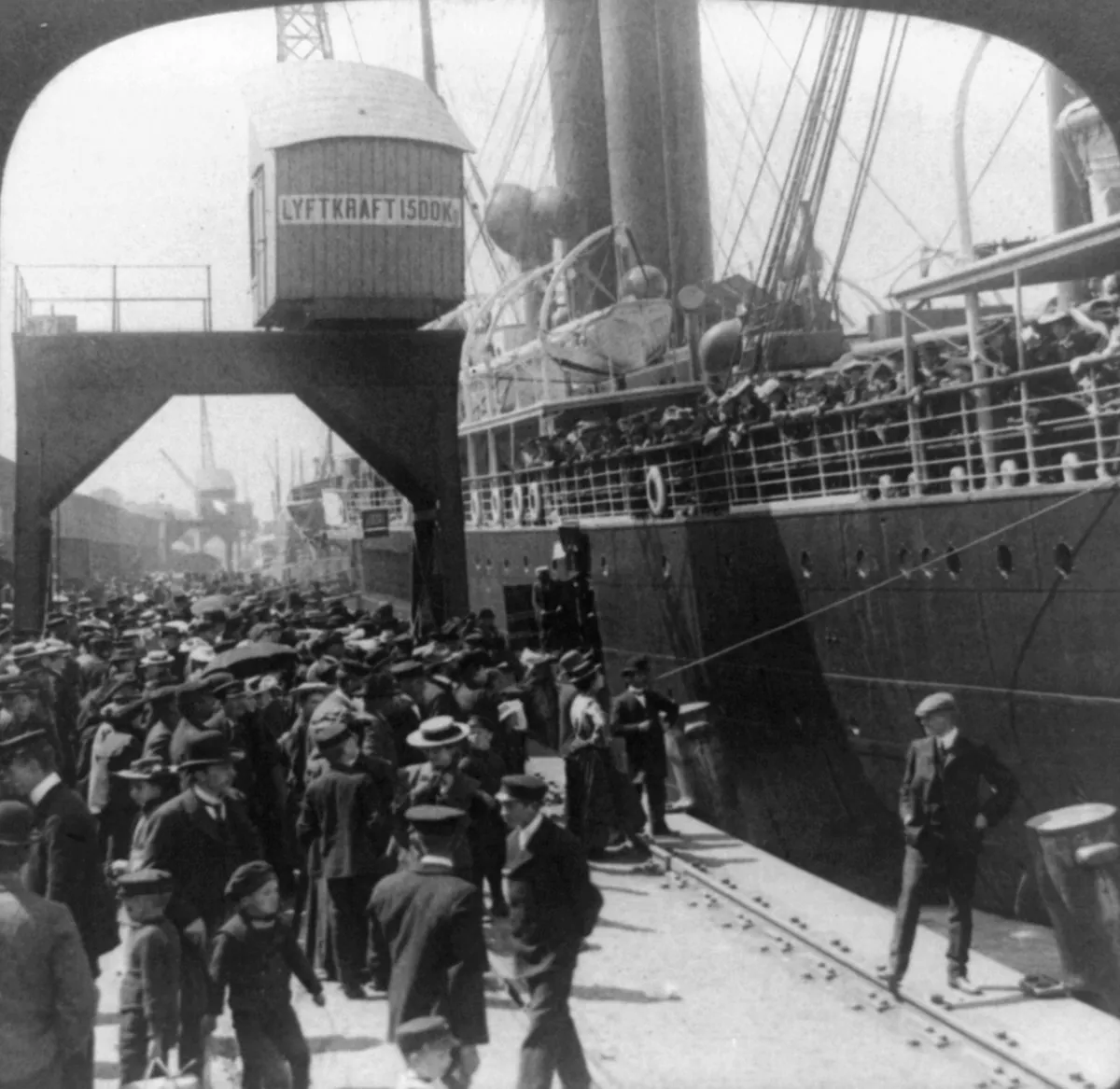
- Steerage to AmericaThe cheapest tickets were for steerage, deep down in the ship: crowded and noisy, with plain food such as porridge, salty soup, potatoes and hard bread. Gustaf's crossing took eleven days.
- New YorkIn 1891, officials at the Barge Office in Manhattan checked everyone's papers and health. Ellis Island wasn't open yet.
- West by emigrant trainFrom New York the emigrant trains rolled west for days, and the passengers slept sitting up on hard wooden benches.
 In the game
 In the game
Tracing a Swedish emigrant in your family
Many of the old emigrant records can now be searched on a computer, from anywhere in the world. A few things help:
- Start with what the family kept. Letters, photographs, a trunk, a hymn book with names written inside: small things often hold the first clue.
- Find the home parish. Old Swedish records are kept by parish, and the Gothenburg port police registers list each emigrant's home parish.
- Ask the House of Emigrants. In Växjö, it holds the archive of the Swedish Emigrant Institute, with letters, diaries and photographs from both sides of the ocean. Every year, Americans come there to find where their families came from. See Kulturparken Småland for visits.
- utvandrare emigrant
- släktforskning family history research
- anfader ancestor
- efternamn surname
- Amerikabrev letter from America
Sources
The facts on this page come from the game's "Did you know?" cards, which are checked against sources like these:
- Swedish emigration to the United States (Wikipedia)
- Statistics Sweden: mass emigration to America
- Hans Högman: the Swedish mass emigration
- Kulturparken Småland: The New Land – the Dream of America
- Ellis Island (Wikipedia)
Gustaf's crossing
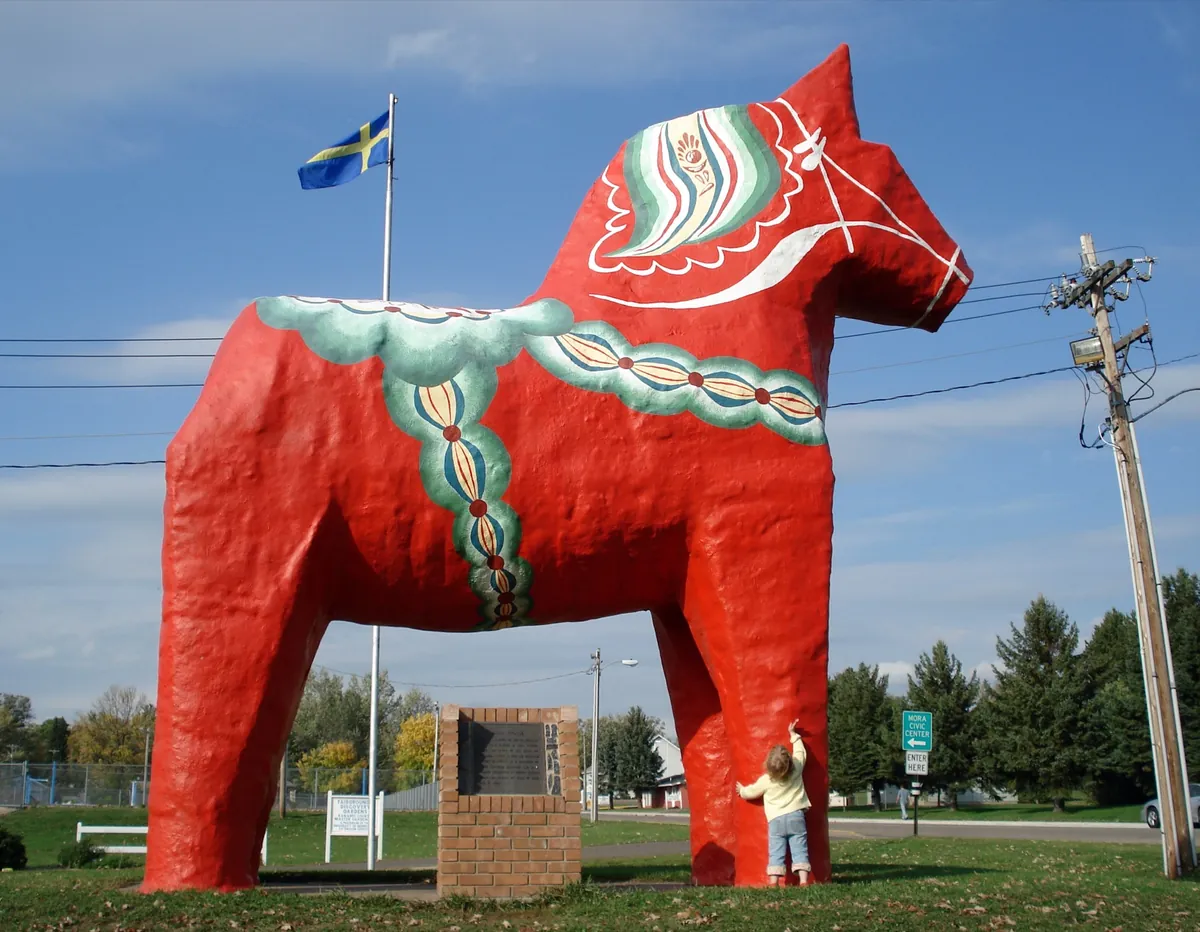
In Gustaf's Journey, Gustaf leaves Mora in the spring of 1891 with his mother's old hymn book and one trunk. You'll cross the North Sea with him and his friend Johan, wait three days in Liverpool, see whales and a far-off iceberg from the rail, and watch the Statue of Liberty rise out of the mist on the eleventh morning. Then it's west, to Minnesota and a new life in Mora.

Make the crossing with Gustaf
A cozy crossword game with a life story. Free on iPhone and iPad.