 Gustaf's Journey


Mora, Sweden: by Lake Siljan
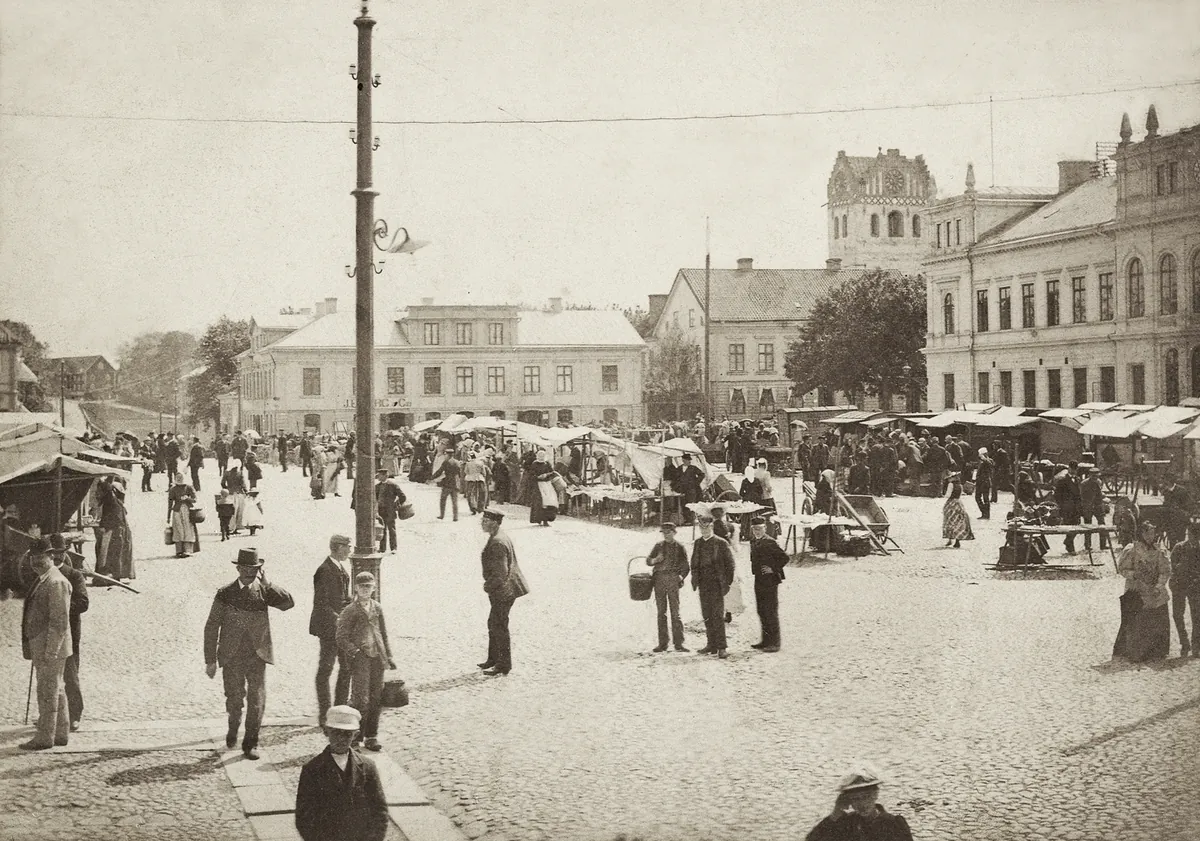
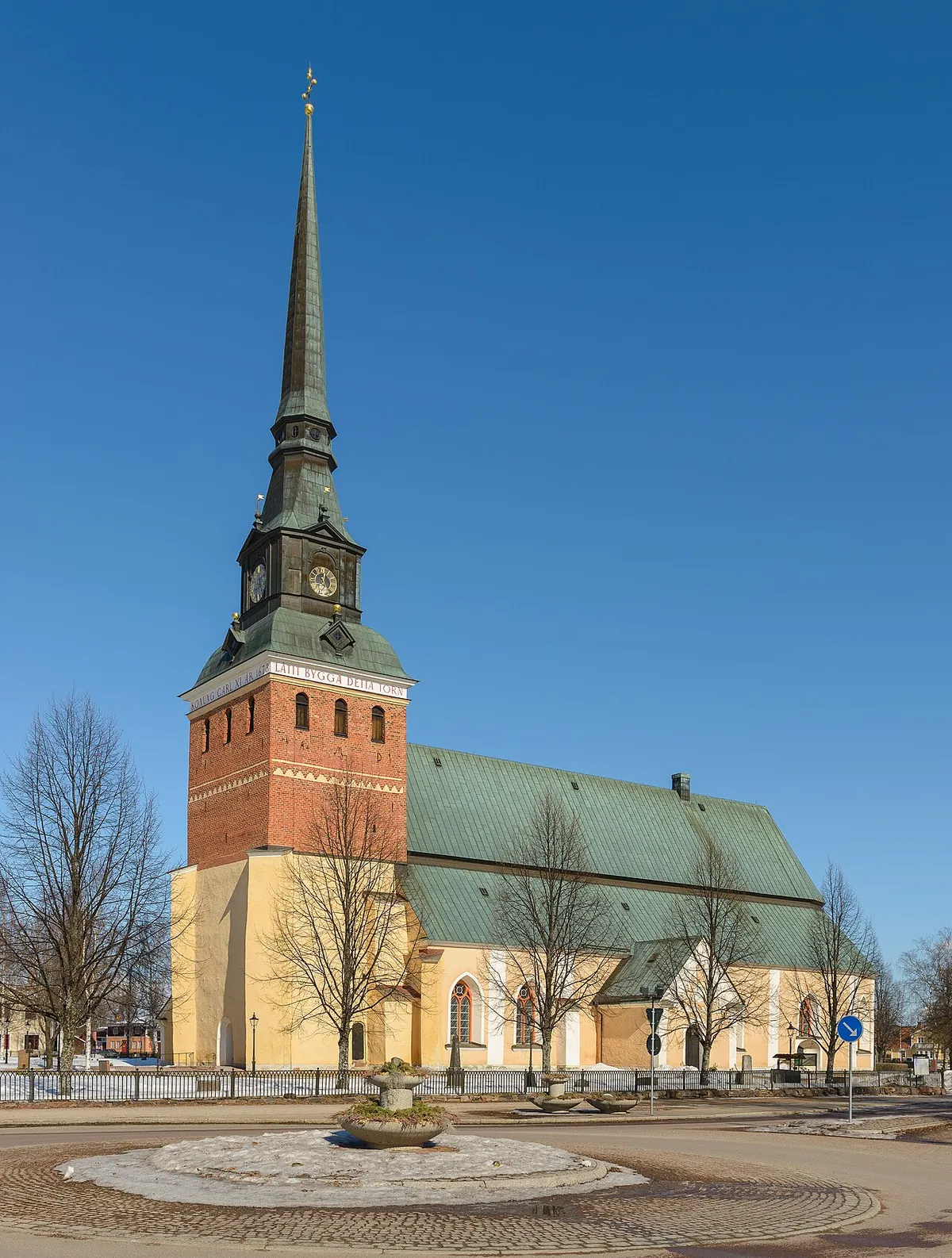
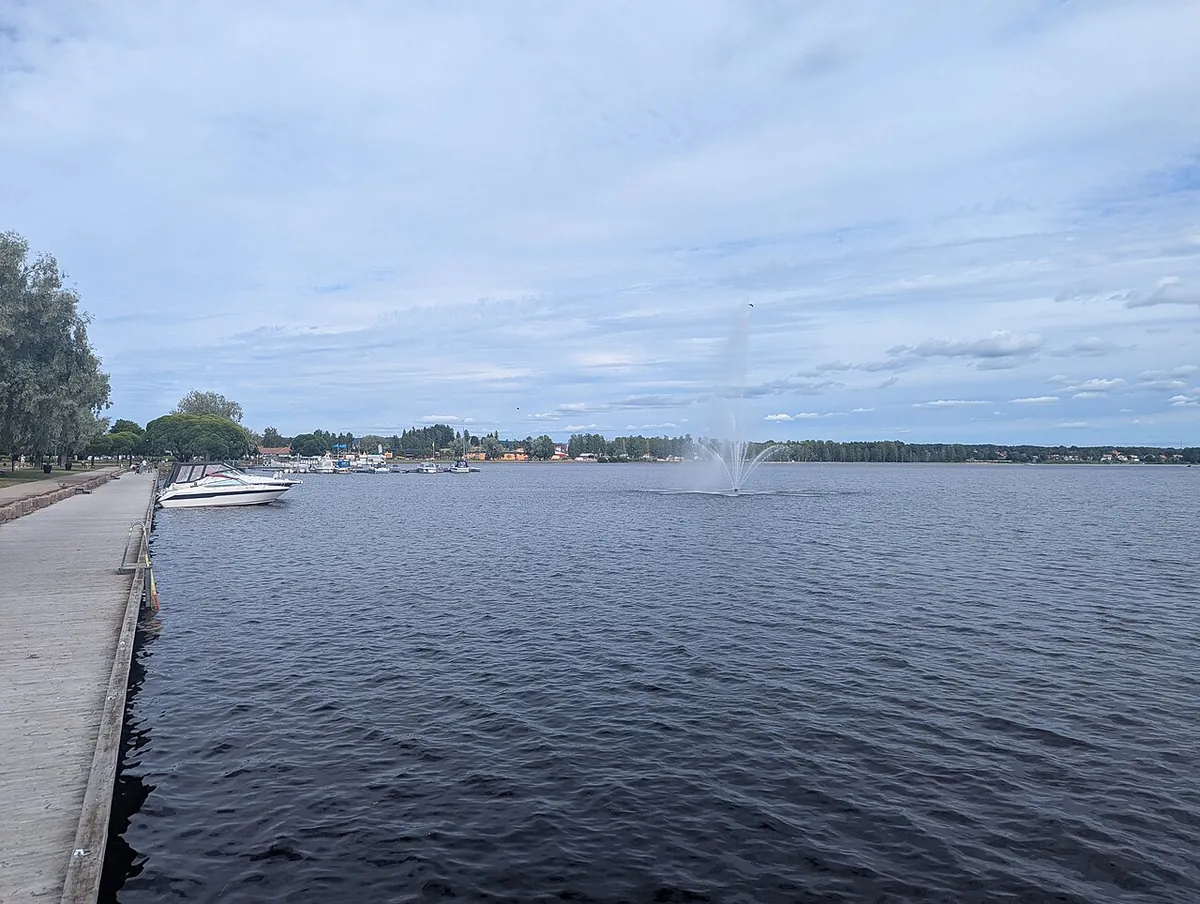
Mora lies on the shore of Lake Siljan, in the province of Dalarna. Mora church, near the lake, dates from the end of the 1400s. For the villages around Siljan, the quickest way to church wasn't a road at all: it was the lake. Every Sunday they rowed across in long wooden church boats, the biggest with twenty rowers, and on the way home the boats raced each other. Church boats still race on Siljan every summer.
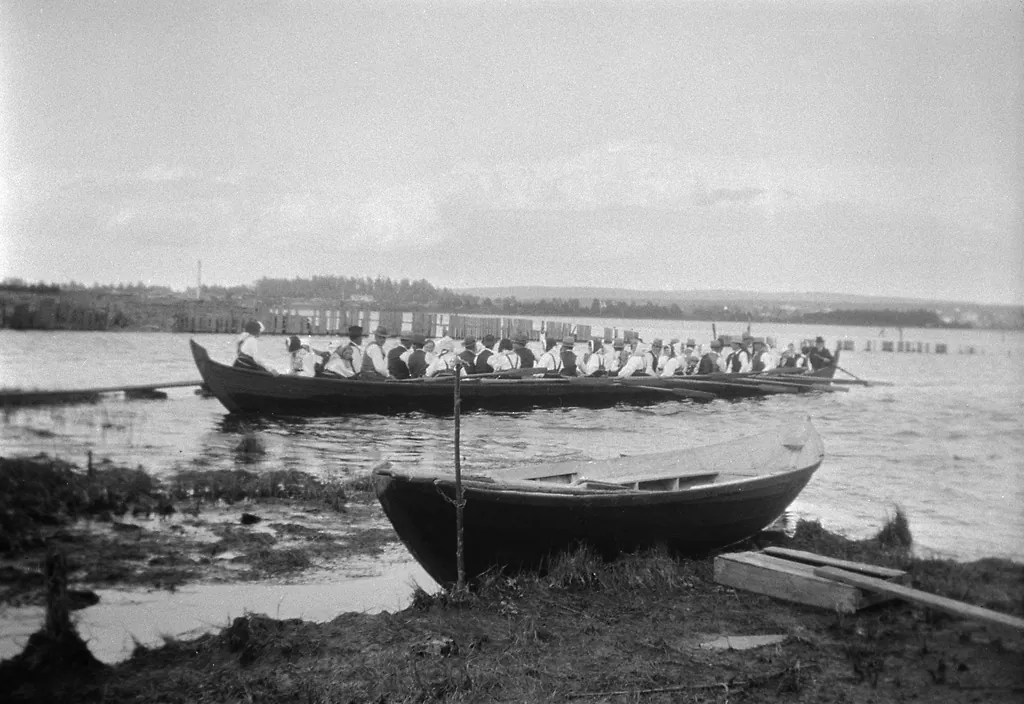 Then
 In the game
Dala horses, Mora clocks and Mora knives
In the village of Nusnäs, Dala horses are still carved and painted by hand, in workshops that have made them since the 1920s. Mora clocks are tall, curvy clocks painted with flowers: farm families around Mora made them in the 1700s and 1800s to earn extra money. And in 1891, Frost-Erik Erson came home to Mora after four years as a lumberjack in North America. He started a factory, and Mora knives are now known all over the world.
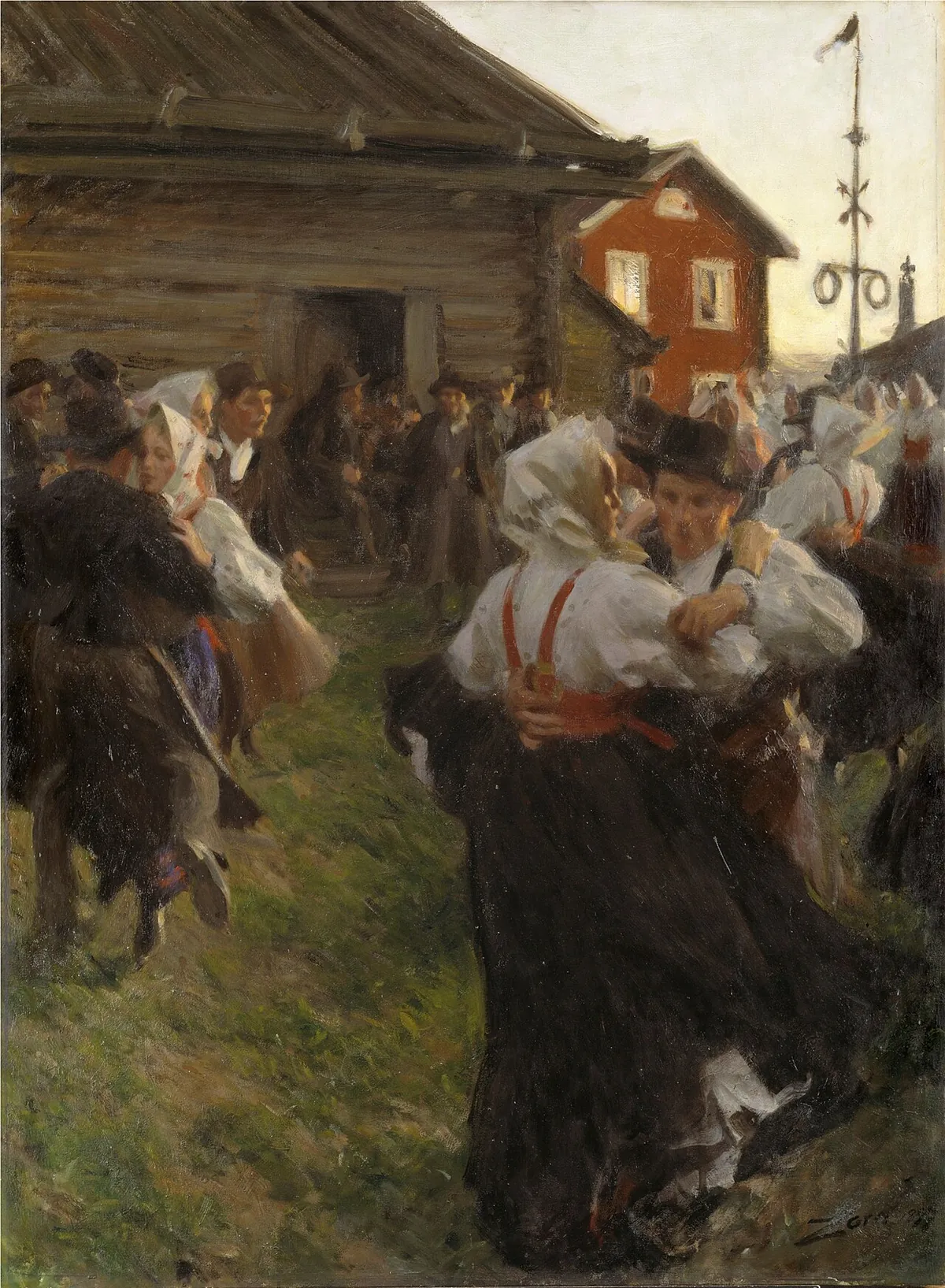
Anders Zorn
The painter Anders Zorn (1860–1920) grew up in Mora. His home, Zorngården, still stands near the church, and his paintings of Mora people, lakes and light summer nights hang in the Zorn Museum, which opened in 1939.
The Vasaloppet
Every March, Mora is the finish of the Vasaloppet, the great ski race: 90 kilometres from Berga near Sälen. It remembers the legend of young Gustav Vasa, who fled on skis from Mora towards Sälen in the winter of 1520 to 1521, until two men from Mora skied after him to bring him back. The race follows his road the other way round.
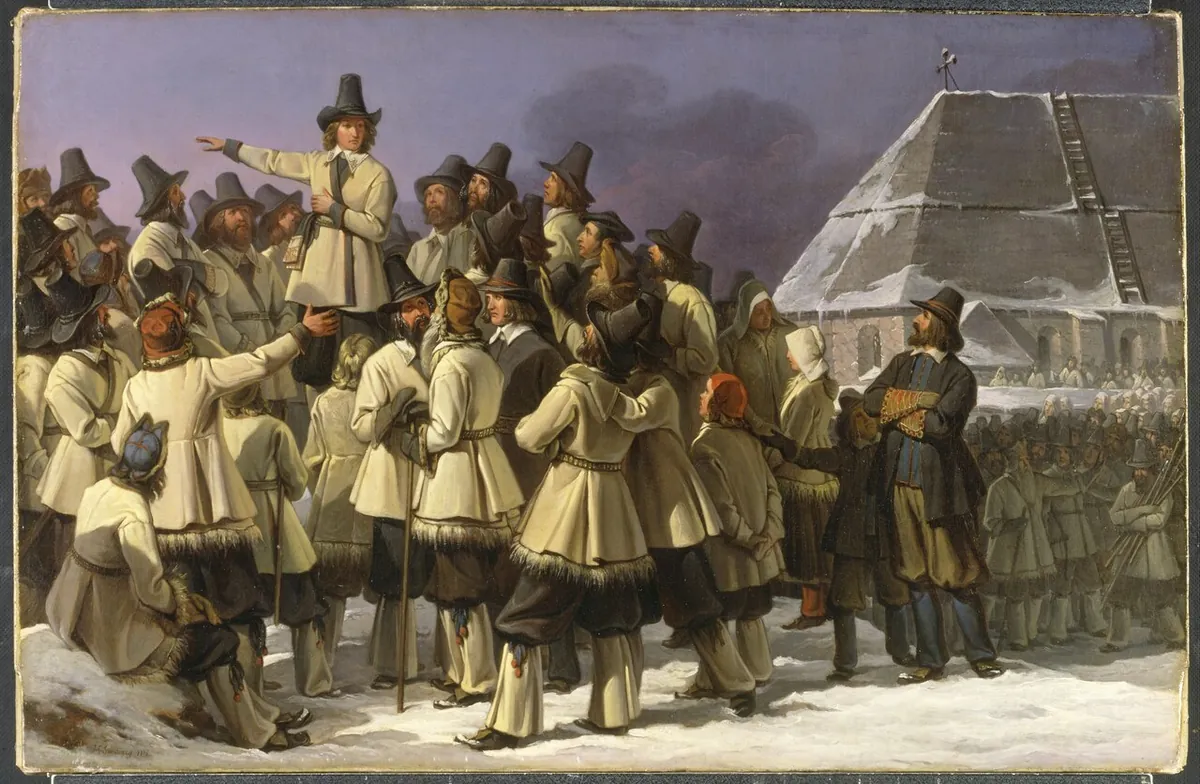 The legend
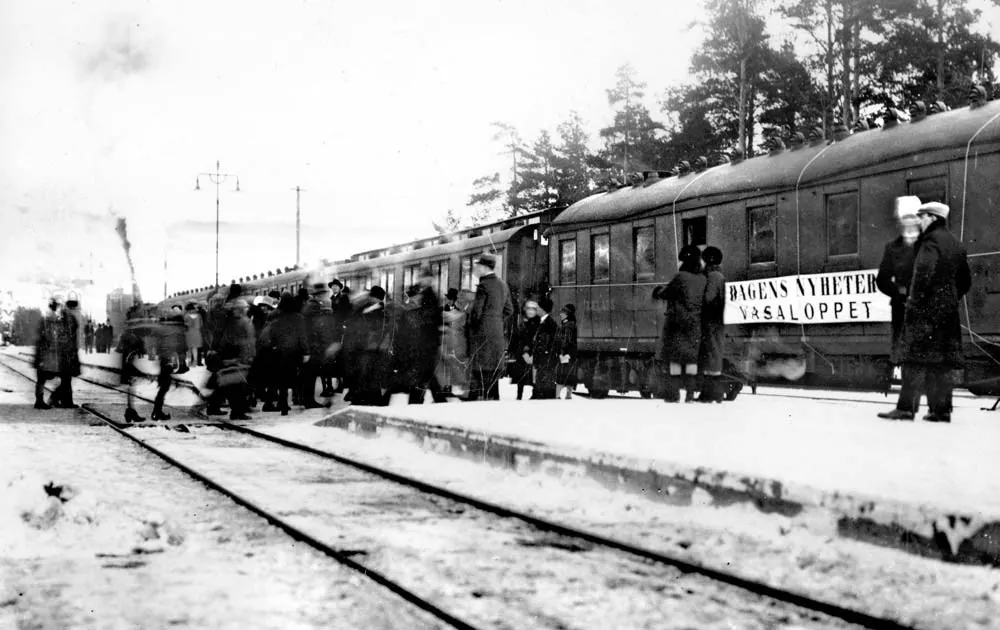 1922
The first race was held on 19 March 1922, with 119 skiers, and Ernst Alm won in seven and a half hours. Over the finish line, by the old belfry of Mora church, hangs the motto I fäders spår för framtids segrar: in our fathers' tracks for future victories.
 In the game
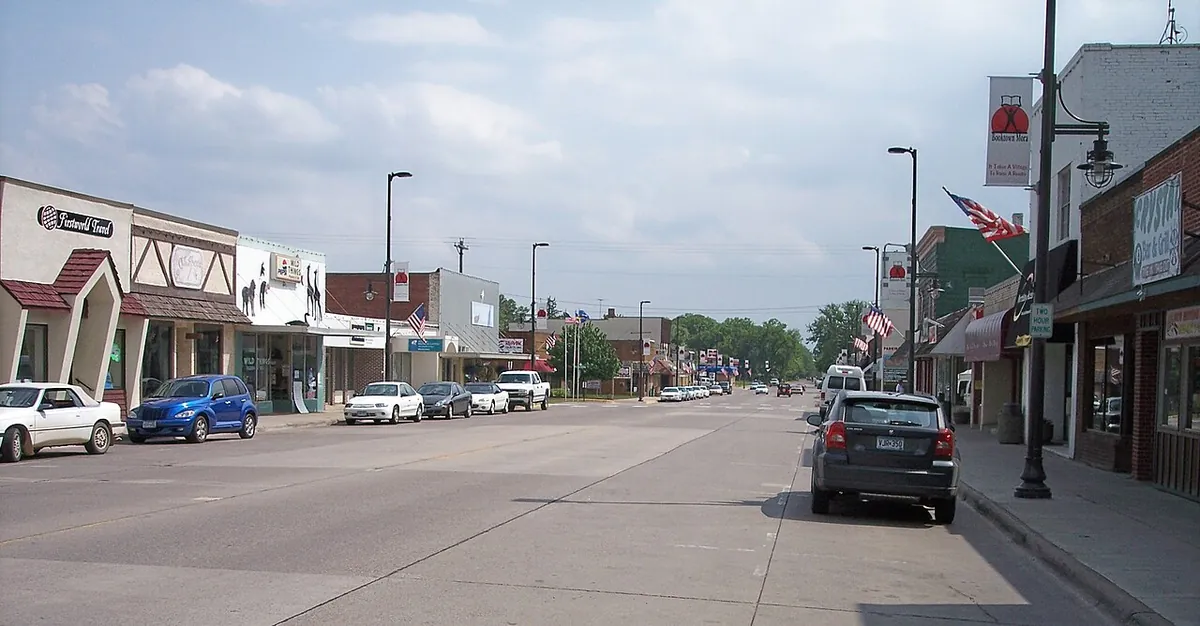
Mora, Minnesota: on the Snake River
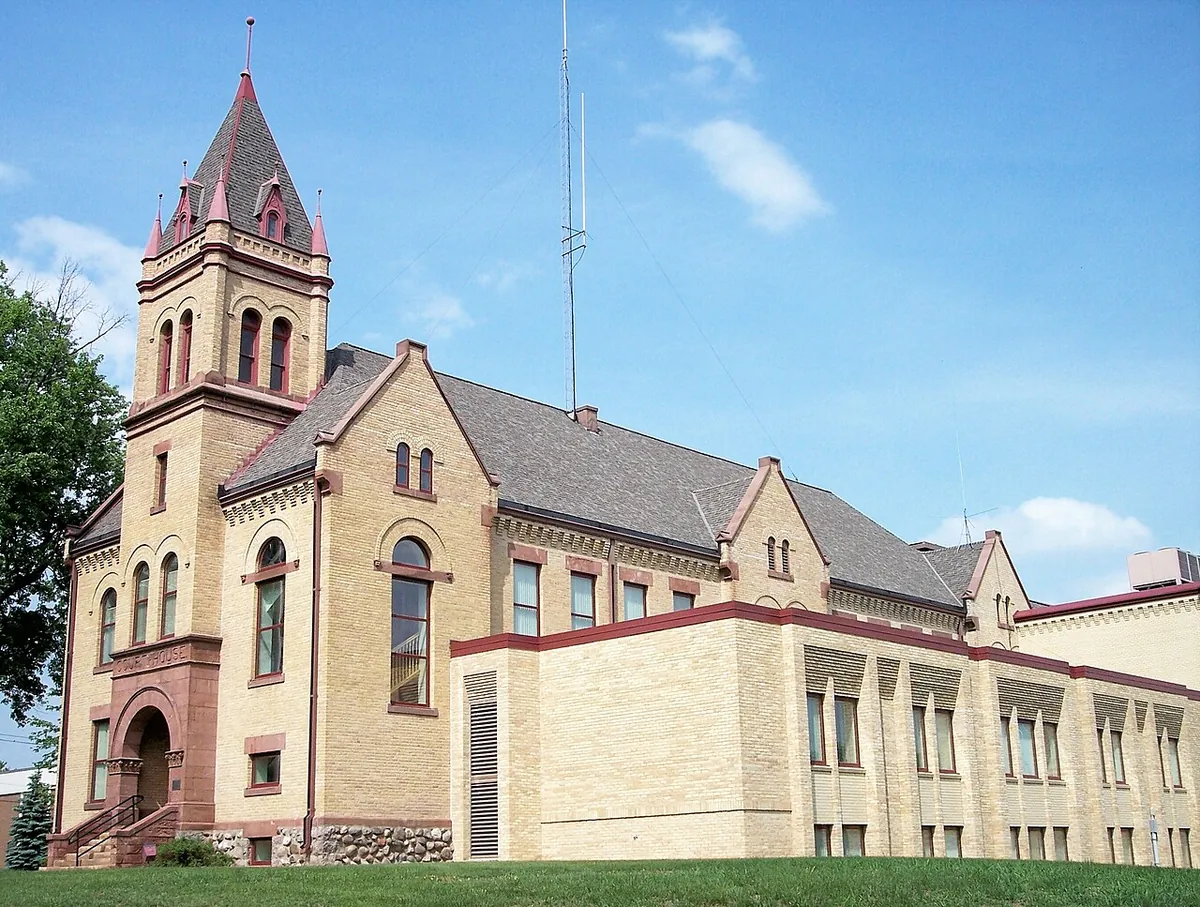
Of all the Swedes who came to America, more settled in Minnesota than in any other state. Mora, in Kanabec County, was named in 1882 by Israel Israelson, a settler who had come from Mora in Dalarna. Almost everyone around it came from Sweden: in 1895, nearly four out of five people in the county were Swedish-born or from Swedish families.
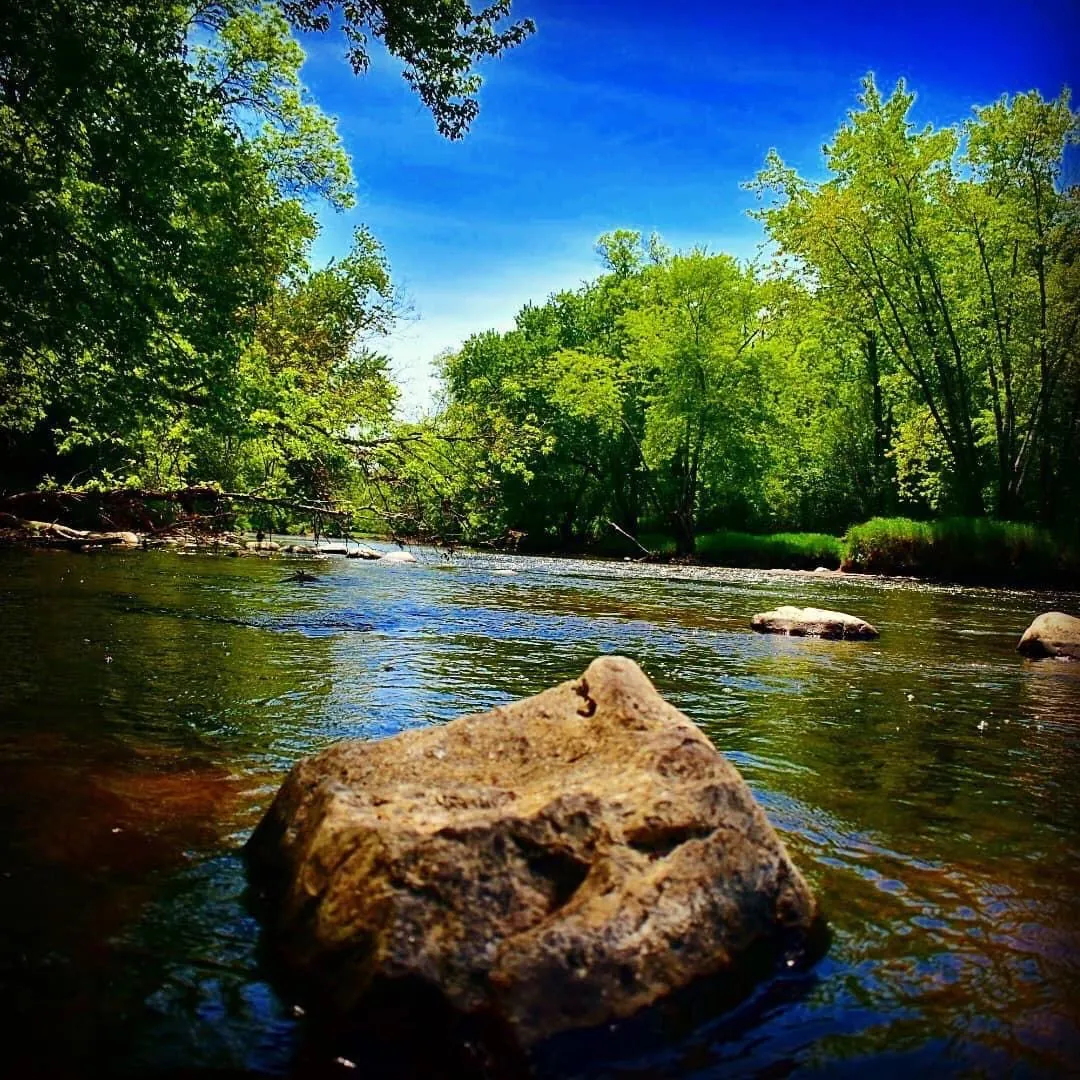
The Snake River runs right through town. Hay was the first important crop, because the animals needed it to get through the long winter, and Minnesota winters were colder than any in Dalarna.
Sister cities
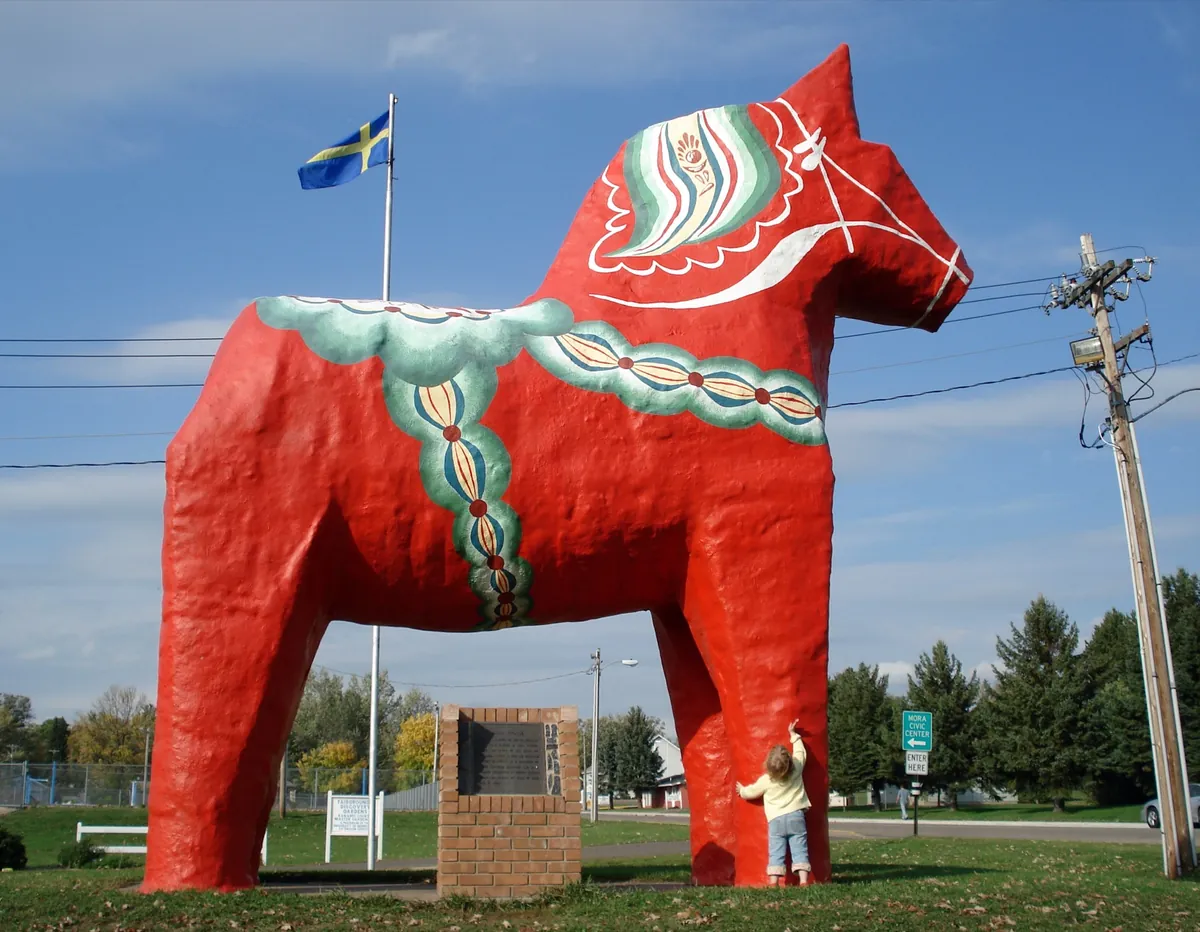
The two towns became sister cities in 1972. Mora, Minnesota has its own Dala horse, 22 feet tall, standing since the early 1970s, and its own Vasaloppet ski race every winter since 1973.
Sources
The facts on this page come from the game's "Did you know?" cards, which are checked against sources like these:
- Mora, Sweden (Wikipedia)
- Mora, Minnesota (Wikipedia)
- Kanabec County, Minnesota (Wikipedia)
- Vasaloppet (Wikipedia)
- Anders Zorn (Wikipedia)
- Zorn Collections (Wikipedia)
- Dalecarlian horse (Wikipedia)
- Mora clock (Wikipedia)
- Mora knife (Wikipedia)
- Kyrkbåt, church boats (Swedish Wikipedia)
The two Moras in the game
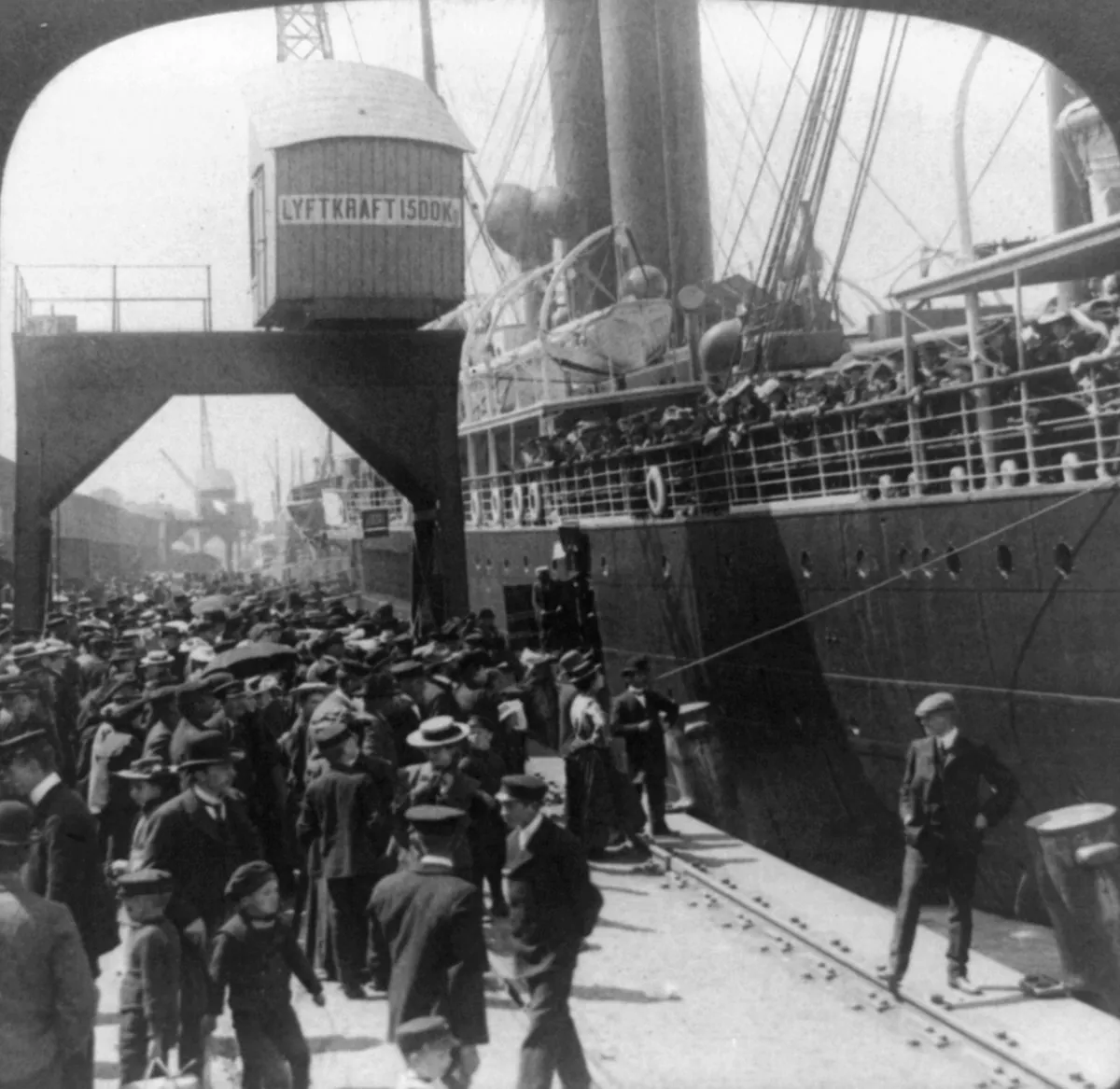
Gustaf grows up in Mora by Lake Siljan and sails for America in 1891. In Mora, Minnesota he builds a farm and a family, and in 1922 he reads about the very first Vasaloppet in the Swedish paper. Generations later, his great-granddaughter Karin crosses the ocean the other way, meets her Swedish cousin Lena, and stands at the finish of the race Gustaf only read about.

From Mora to Mora
Follow Gustaf's whole journey in a cozy crossword game. Free on iPhone and iPad.